


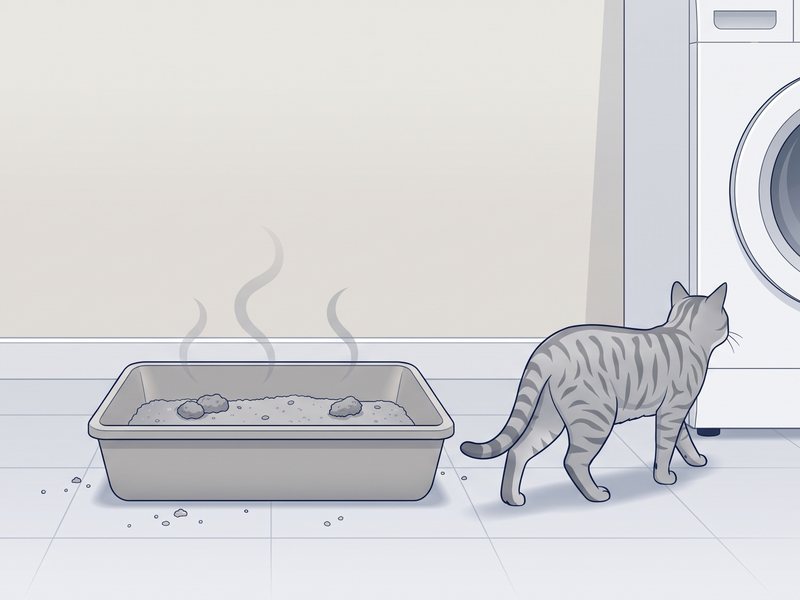
No. 01
Litter box
Ammonia
The sharp smell of drying urine, and of ammonia window cleaners.
What does ammonia smell like? →
Smells, decoded
The Smell Library is a guide to the everyday smells in a home. Most come from five chemical families: ammonia and amines (sharp, fishy), fatty acids (sour, sweaty), aldehydes (sharp, greasy), indoles (fecal) and sulfur compounds (rotten egg). Each entry explains one smell and where it comes from.
Sources: PubChem (US National Library of Medicine), US EPA, CDC/ATSDR, US Energy Information Administration, and peer-reviewed studies listed at the bottom. Last reviewed November 18, 2026.
Shelf 1
No. 01
Ammonia
The sharp smell of drying urine, and of ammonia window cleaners.
What does ammonia smell like? →
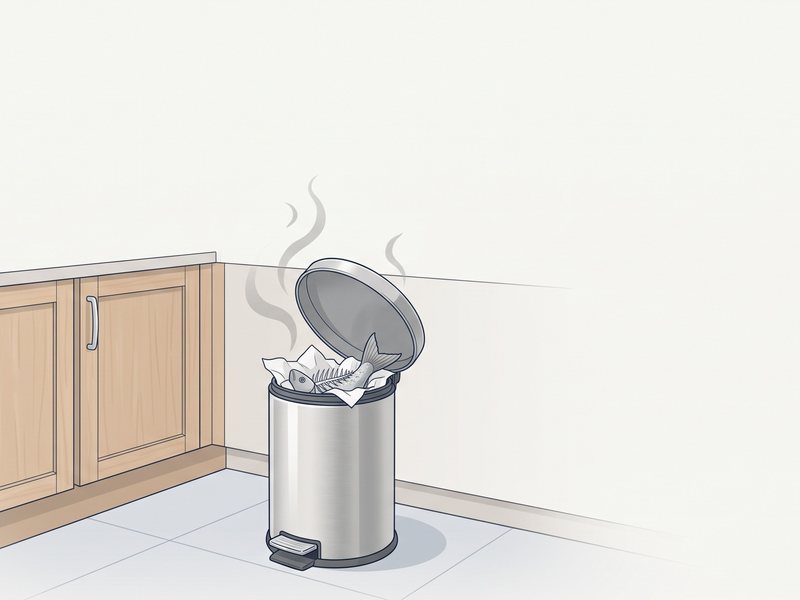
No. 02
Trimethylamine
Fish-like when faint, closer to ammonia when strong.
Why does my house smell like fish? →
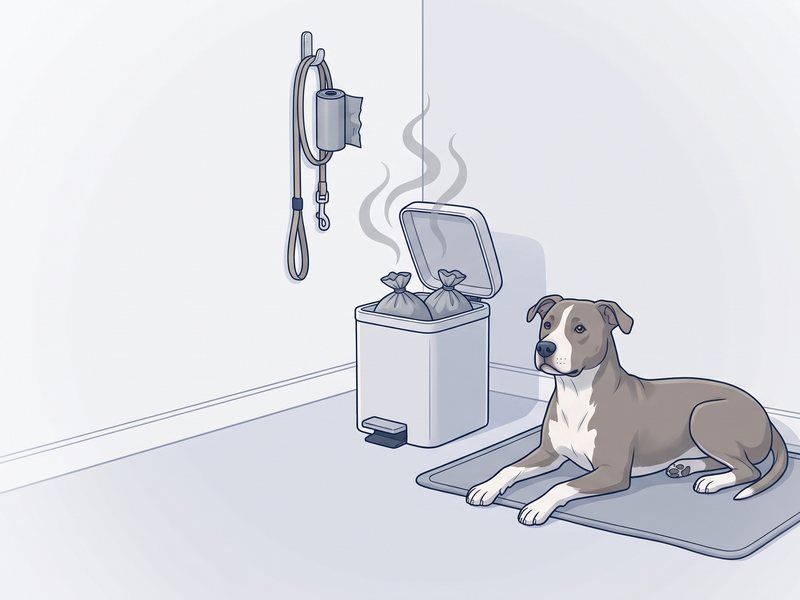
No. 03
Indole
One of the compounds in poop odor: fecal when strong, oddly pleasant when faint.
Why does poop smell? →
Also for pet areas: How to get rid of litter box smell · How to get rid of dog and cat smell in the house
Shelf 2
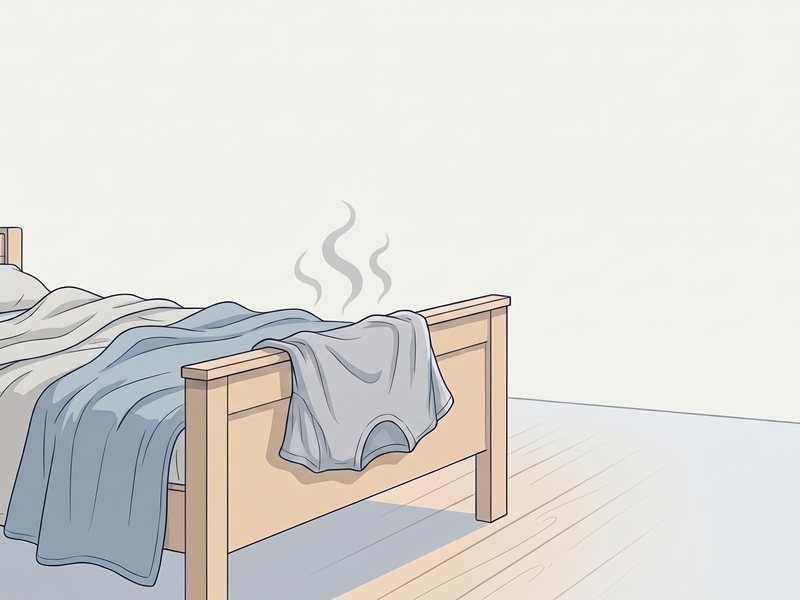
No. 04
Nonenal
A greasy, grassy note that rises in body odor with age.
What is nonenal? →
Also for bed & pillows: How often should you wash your sheets?
Shelf 3
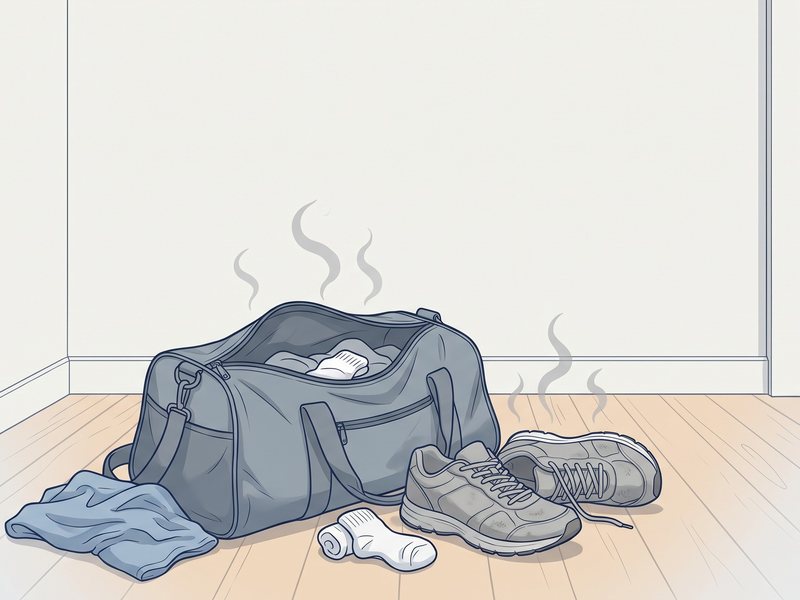
No. 05
Isovaleric acid
The cheesy smell that forms when sweat breaks down on skin.
Why do feet smell like cheese? →
Also for clothes & gym: How to get sweat smell and body odor out of clothes · How to get the smell out of shoes
Shelf 4
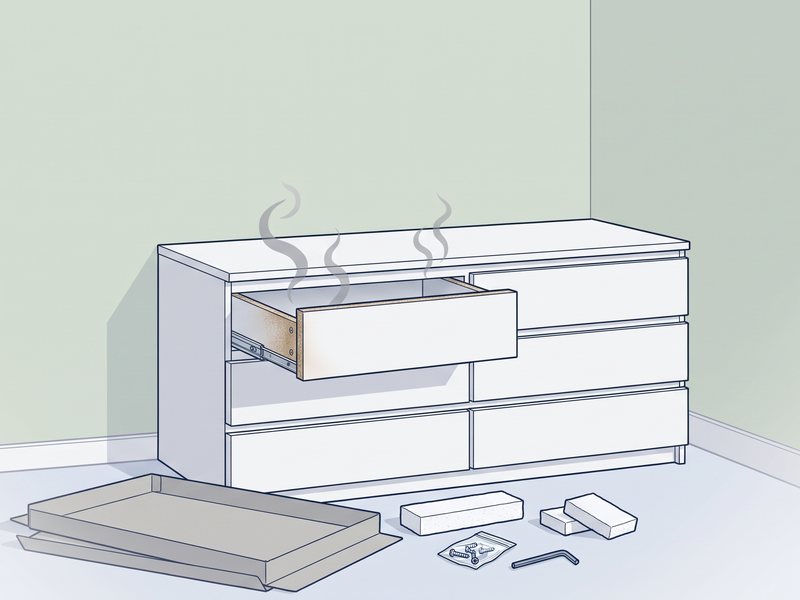
No. 06
Formaldehyde
A sharp gas from pressed wood, glues and finishes.
What does formaldehyde smell like? →
Also for new furniture: How to make your house smell good · Are air fresheners and plug-ins bad for you?
Shelf 5
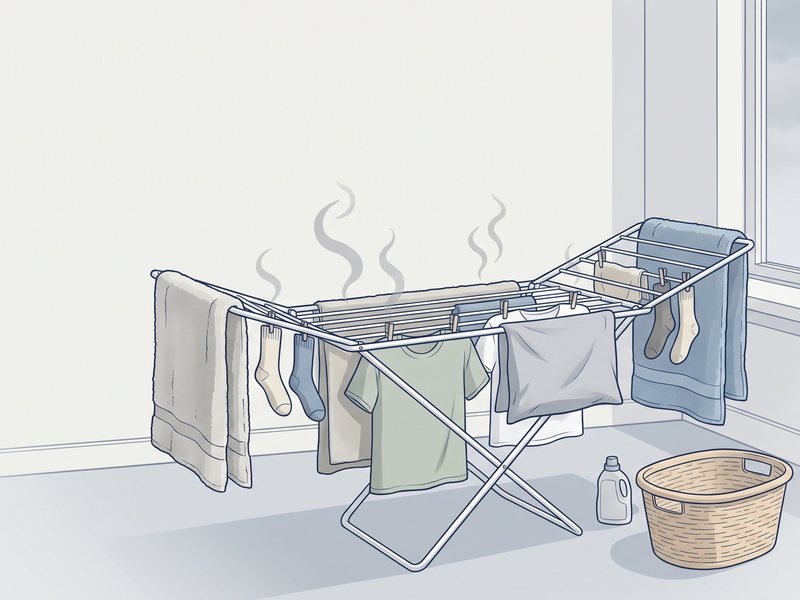
No. 07
4-methyl-3-hexenoic acid
The damp smell clothes dried indoors can keep even once they're dry.
Why do my clothes smell after washing? →
Also for laundry & damp: How to get the musty or mildew smell out of clothes, towels and the house
We've been working on something for this.
You're on the list. Your first email is on its way.
While you're here: how damp does your bathroom stay? Take the 2-minute Bathroom Biome check.
Researchers who mapped how people describe smells grouped them into 10 broad types, from fragrant and fruity to sickening and decayed.9 Around the home, chemists group smells by compound family instead. A University of Illinois review of the key odor compounds in animal waste names four main classes: fatty acids, ammonia and amines, indoles and phenols, and sulfur compounds.5 Add the aldehydes, and you have the families in this library.
| Family | What it smells like | Examples in this library | Where it comes from |
|---|---|---|---|
| Alkaline (ammonia and amines) | Sharp, pungent; fishy | Ammonia · trimethylamine | Ammonia's smell is "characteristic of drying urine"; in animal waste, an enzyme turns urea from urine into ammonia.5 Trimethylamine smells fish-like at low levels and closer to ammonia when strong.1 |
| Acidic (fatty acids) | Sour, sweaty, cheesy | Isovaleric acid · 4-methyl-3-hexenoic acid | Isovaleric acid has a "rancid-cheese" odor1 and is the main compound in foot odor, formed when sweat breaks down on skin.6 4-methyl-3-hexenoic acid is the main compound in the musty smell of laundry dried indoors.7 |
| Aldehydes | Sharp and strong; greasy, grassy | Formaldehyde · nonenal | Formaldehyde is a gas with "a strong odor," found in pressed-wood products, finishes, glues and permanent-press fabrics.3 2-Nonenal is "an unsaturated aldehyde with an unpleasant greasy and grassy odor" found in the body odor of people 40 and older.8 |
| Indoles | Fecal when strong, pleasant when very dilute | Indole | Indole has the "characteristic odor of feces"; it smells pleasant when very dilute and almost floral when highly purified.1 |
| Sulfur | Rotten eggs, rotten cabbage | Hydrogen sulfide · methyl mercaptan (explained here, no entry) | Hydrogen sulfide has a "strong odor of rotten eggs"; methyl mercaptan smells of rotten or decayed cabbage.1 |